
Ocean Freight from China: FCL & LCL Shipping
VoltFreight arranges FCL and LCL ocean freight—also called sea freight—from suppliers and major ports in China to destinations worldwide. We can coordinate China pickup, warehouse consolidation, export handling, port-to-port shipping and, when confirmed, destination customs support and final delivery.
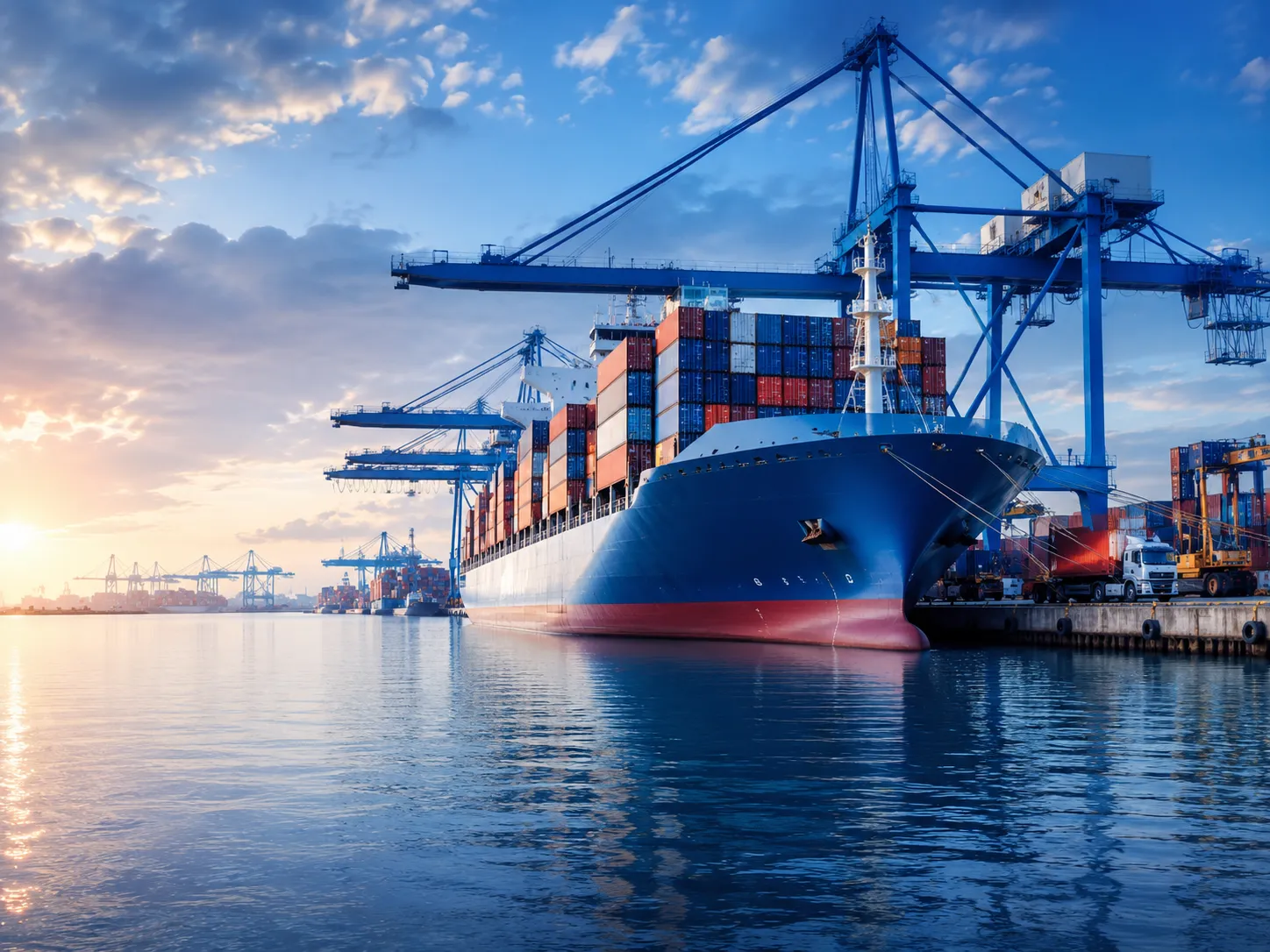
20GP, 40GP, 40HQ and reviewed special-container options.
Shared-container service for smaller commercial cargo.
Supplier pickup, receiving, measurement and consolidation.
Written inclusions, exclusions and destination responsibilities.
What Ocean Freight Services from China Can You Book?
Ocean freight, also called sea freight, is commonly used for large, heavy or planned commercial shipments from China. VoltFreight can arrange FCL or LCL, supplier pickup, warehouse consolidation, export handling, port-to-port service and, when confirmed, port-to-door, DAP or reviewed DDP delivery.
FCL or LCL to the Destination Port
Freight moves from the agreed China port, CY or CFS to the named destination port, CY or CFS. The consignee normally handles destination charges, import clearance, cargo release and inland delivery unless separately quoted.
China Pickup Before Ocean Shipping
VoltFreight collects the cargo from a supplier or China warehouse, coordinates receiving, export handling and FCL loading or LCL consolidation, then ships it to the named destination port. Destination work remains with the consignee.
Destination Delivery After Arrival
Ocean freight and final inland delivery are coordinated to the named address. Under DAP, the importer normally remains responsible for import clearance, duties and taxes. The written quote must define every destination charge.
Wider Customs and Delivery Scope
For suitable cargo and destinations, a reviewed DDP service may combine China pickup, ocean freight, customs coordination, agreed duties or taxes and final delivery. Product, value, importer and compliance details must be checked first.
FCL or LCL: Which Ocean Freight Option Fits Your Cargo?
Cargo volume is important, but it is not the only deciding factor. Weight, packaging, handling risk, destination CFS charges, equipment availability and the requested delivery scope can change the better option. For borderline shipments, compare complete FCL and LCL quotations for the same route, sailing window and destination responsibility.
| Decision Point | FCL Ocean Freight | LCL Ocean Freight |
|---|---|---|
| Container space | One shipper uses a dedicated container. | Several compatible shipments share a container. |
| Typical use | Larger, heavier, fragile, high-value or regularly shipped cargo. | Smaller commercial shipments that do not justify a full container. |
| Handling | Usually fewer cargo-handling stages between loading and discharge. | Includes origin consolidation and destination deconsolidation. |
| Cost basis | Container type, port pair, equipment, weight and carrier charges. | CBM or W/M, minimum charges, CFS fees and destination handling. |
| Best comparison | Compare the complete cost to the same port or delivery point, not only the advertised ocean rate. | |
When FCL Deserves a Quote
FCL should be reviewed when the cargo fills a meaningful part of a container, is dense or difficult to handle, needs fewer touchpoints, or must move under one shipper's loading plan. Container suitability still depends on internal dimensions, weight limits, road restrictions and terminal acceptance.
- 20GP for many dense or heavy cargo profiles
- 40GP or 40HQ for larger and bulkier shipments
- Factory loading when one supplier can load safely
- Warehouse loading for multi-supplier consolidation
When LCL Deserves a Quote
LCL works when the shipment is too large for economical air freight but does not require a full container. Smaller volumes may face minimum charges, while non-stackable or unusually dense cargo can be billed differently. Destination CFS charges should be checked before booking.
- China pickup and warehouse receiving when required
- CBM or weight-or-measurement calculation
- Origin consolidation and destination deconsolidation
- Stronger packaging for repeated handling stages

How Are China Pickup, Consolidation and Origin Ports Planned?
Cargo may move directly from one factory to the port or first enter a China warehouse for receiving, measurement, labeling, repacking or multi-supplier consolidation. The final origin port should be selected by total route cost, supplier location, sailing frequency, equipment and terminal cutoff—not by the best-known port name alone.
Which Global Destination Ports Can VoltFreight Serve?
VoltFreight reviews FCL and LCL services from China to ports in North America, Europe, the Mediterranean, the Middle East, Oceania, Asia and Africa. Service availability is confirmed for the actual origin port, destination port, cargo type and requested sailing window.
Pacific, Atlantic and Gulf Gateways
Common port pairs include Los Angeles/Long Beach, Oakland, Seattle/Tacoma, New York/New Jersey, Savannah, Houston, Vancouver and Montreal.
Major European Container Ports
Options may include Rotterdam, Hamburg, Bremerhaven, Antwerp-Bruges, Felixstowe, Southampton and Le Havre.
Southern Europe Gateways
Relevant services may connect with Valencia, Barcelona, Piraeus, Genoa, La Spezia and Trieste.
Gulf and Red Sea Ports
Common gateways include Jebel Ali, Dammam, Jeddah, Sohar and Salalah, subject to carrier routing and cargo acceptance.
Regional and Long-Haul Connections
Services may connect with Sydney, Melbourne, Brisbane, Fremantle, Auckland, Singapore, Port Klang, Laem Chabang, Busan and Yokohama.
West, East and Southern Africa
Port pairs may include Durban, Cape Town, Mombasa, Tema and Lagos/Apapa, often with transshipment depending on the China origin port.

What Determines Ocean Freight Costs from China?
The ocean rate is one part of the shipping cost. China pickup, receiving, export handling, FCL or LCL charges, destination fees, customs work and inland delivery may all affect the total. Compare quotes for the same cargo, port pair, sailing window, delivery point and written service scope.
Port Pair and Routing
Direct services and transshipment routes have different rate structures, sailing frequencies and space conditions. A cheaper routing may involve an additional transfer and a longer or less predictable schedule.
FCL Equipment
FCL pricing depends on the equipment requested, such as 20GP, 40GP or 40HQ, plus cargo weight, terminal acceptance and equipment availability. Open Top, Flat Rack and other special equipment require individual review.
LCL Chargeable Units
LCL may be calculated by CBM or weight-or-measurement, subject to minimum charges. Pallets, wooden cases, irregular shapes and non-stackable cargo can increase the final chargeable space.
China Pickup and Origin Charges
Factory pickup, warehouse receiving, consolidation, export declaration, documentation, terminal or CFS handling and container loading may be quoted separately. Confirm whether the supplier's term is EXW, FCA or FOB.
Destination and Delivery Charges
Terminal, CFS, delivery-order, customs brokerage, duties, taxes, inland trucking, container return and unloading depend on the agreed service term. Ask which charges are prepaid, payable at destination or excluded.
Cargo and Sailing Conditions
Dense, oversized, non-stackable or regulated cargo can need different packing, equipment or carrier approval. Rates and surcharges also change with capacity and the intended sailing, so confirm the quote's validity period.
What Is Included and Excluded from an Ocean Freight Quote?
The quotation should name the service term and its exact start and end points. Even a port-to-port quote may exclude some local charges. Door delivery, DAP and reviewed DDP have wider responsibilities that must be listed separately, including who manages customs clearance, duties, taxes, local charges and unloading.
Include These When Agreed
- Main ocean freight for the confirmed port pair
- China supplier pickup and warehouse receiving
- Origin terminal or CFS handling when stated
- Container loading or LCL consolidation when stated
- Export coordination, documents and listed surcharges
- Destination brokerage and delivery when specifically quoted
Clarify These Before Booking
- Destination terminal, CFS, release and delivery-order charges
- Import brokerage, duty, VAT, GST and other taxes
- Inspections, port examinations and related handling
- Storage, demurrage and detention beyond free time
- Inland delivery, container return and appointment costs
- Unloading, special equipment and any excluded local fees
How Long Does Ocean Freight from China Take?
Sea freight timing depends on the origin and destination ports, carrier service, sailing schedule and any transshipment. Port-to-port vessel time is only one part of the journey. For a door-delivery estimate, allow for supplier readiness, pickup, export work, destination clearance and final transport as well.
Cargo Readiness and Booking
Supplier production, warehouse receiving and consolidation may come before booking. Equipment or carrier approval for heavy or special cargo can add time before the intended sailing is confirmed.
Origin Cutoff
FCL containers and LCL cargo must reach the correct terminal or CFS before the stated cutoff. Shipping instructions, customs data and VGM where required must also be submitted on time.
Direct Sailing
A direct service avoids an intermediate vessel transfer, but “direct” does not mean a fixed delivery date. Port rotation, weather, congestion and carrier schedule changes can still affect arrival.
Transshipment Route
Transshipment can provide wider port coverage or a different rate, but the shipment must connect through another hub. Missed connections may extend the schedule beyond the original estimate.
Rollover or Blank Sailing
Cargo can move to a later vessel when capacity, operational changes or a blank sailing affects the planned departure. Ask whether the quoted schedule is confirmed or still subject to booking acceptance.
Clearance and Cargo Availability
Vessel arrival is not the same as delivery. Discharge, terminal processing, LCL deconsolidation, import clearance and any inland appointment can extend the end-to-end timeline after the vessel reaches port.
How Does Ocean Freight from China Work?
The exact workflow depends on FCL or LCL and the delivery scope. Each booking still needs accurate cargo data, an agreed route, export documents, a confirmed sailing and clear instructions for customs and destination release.
Send Cargo and Delivery Details
Provide the product, packing, gross weight, CBM, cargo-ready date, China origin location and destination port or delivery address. Disclose batteries, liquids, powders, magnets, wood packaging and other special characteristics.
Compare FCL or LCL Routings
VoltFreight reviews suitable equipment or LCL consolidation, origin terminals, direct and transshipment services, schedule options and the requested charge scope. Borderline cargo can be priced both ways.
Confirm the Booking
The booking should identify the carrier or consolidator, vessel and voyage where available, origin and destination facilities, equipment, cutoffs, estimated schedule and documentation deadlines.
Collect, Consolidate and Prepare
A supplier may deliver to the nominated facility or VoltFreight may arrange pickup. When agreed, the warehouse checks cartons, shipping marks and final measurements before FCL loading or LCL delivery to the CFS.
Load and Move by Ocean
FCL cargo is loaded into its booked container. LCL cargo is consolidated with compatible freight. After export release and terminal acceptance, the shipment moves on the confirmed direct or transshipment route.
Release or Deliver at Destination
Arrival information and bill-of-lading release instructions are provided under the agreed process. For port-to-port cargo, the consignee or its broker handles local charges, clearance and collection. For a wider service, the written quote identifies the customs and final-delivery responsibilities.
What Documents Are Required for Ocean Freight from China?
The document set must describe the actual cargo consistently. Product names, quantities, package count, weight, marks, value and parties should not conflict across the commercial invoice, packing list, customs information and bill of lading.
Commercial Invoice
The invoice normally identifies the seller, buyer, product description, quantity, unit and total value, currency, country of origin and agreed Incoterm. Generic descriptions can delay customs and carrier review.
Packing List
Show the carton, pallet or crate count, shipping marks, dimensions, gross and net weight, and total CBM. Final warehouse or loading measurements should match the submitted shipping information.
Bill of Lading Instructions
Confirm the shipper, consignee, notify party, cargo description, package count, weight, ports and release method before the documentation deadline. Amendments after issuance can create cost and delay.
HS Code and Export Data
Customs information must reflect the actual product and transaction. The final classification and import requirements should be checked by the responsible importer or customs professional at destination.
Certificates When Required
A certificate of origin, fumigation or treatment evidence, product certificate, permit or other supporting document may be requested for a particular product or destination. Confirm this before departure.
Special-Cargo Documents
Batteries, chemicals and dangerous goods may require an SDS/MSDS, UN38.3, dangerous-goods declaration, test reports, packing certificates or carrier- specific documents before acceptance.
Which Cargo Needs Carrier or Container Review?
Do not describe special cargo as general cargo to obtain a quick rate. The carrier, consolidator and terminal may need product documents, packaging details, photos and approval before confirming the booking.
Batteries and Dangerous Goods
Provide the battery type, watt-hour information where relevant, packing method, SDS/MSDS, test reports and clear product photos. Acceptance varies by carrier, vessel service, container type and whether the cargo moves FCL or LCL.
Oversized and Heavy Cargo
Send unit dimensions, gross weight, center of gravity, lifting points, drawings and packing photos. Open Top, Flat Rack, breakbulk or special lifting may be required when the cargo cannot use standard container equipment.
Non-Stackable or Fragile Cargo
Declare top-load restrictions before quotation. In LCL, unusable space above a pallet or crate can change the chargeable volume. Fragile cargo may need a wooden case, pallet, internal bracing or FCL to reduce handling.
Regulated and Sensitive Products
Liquids, powders, chemicals, magnets, food, cosmetics, branded goods, used machinery and products with wood packaging may require additional review. Provide the exact product description rather than a broad category.
How Does VoltFreight Plan Ocean Freight from China?
A usable quotation needs more than a vessel rate. We review where the cargo is, how it is packed, whether FCL or LCL fits, the route and the work required after arrival before confirming the service scope.
Supplier and Warehouse Coordination
We can arrange pickup from China suppliers, receive cargo from several factories, check marks and measurements, and prepare an agreed consolidation or loading plan.
FCL, LCL and Route Review
We compare container or shared-space options, China origin ports, destination gateways, direct or transshipment sailings and the charges tied to each option.
Documents and Delivery Scope
We coordinate export and bill-of-lading information and identify who will handle destination clearance, local fees, cargo release and any agreed delivery.
What Information Is Needed for an Ocean Freight Quote?
Share the route and cargo details you have now. VoltFreight can then compare the equipment, consolidation, sailing and delivery scope. If packing is not final, label the figures as estimates and update them after measurement.
- Exact product name and clear photos
- China origin port or supplier city
- Supplier pickup address if required
- Destination port or full delivery address
- FCL, LCL or both for comparison
- Required container type, if known
- Carton, pallet or crate quantity
- Outer dimensions of each package type
- Total gross weight and CBM
- Cargo-ready date
- EXW, FCA or FOB supplier term
- Port-to-port, DAP or reviewed DDP scope
- Special-cargo documents or restrictions
- Declared value and HS code if DDP is requested
Ocean Freight from China: FAQs
Are ocean freight and sea freight the same?
Yes. Both terms commonly describe cargo moving by vessel. VoltFreight arranges FCL and LCL service from China, with a port or delivery address as the endpoint according to the written quotation.
How much does ocean freight from China cost?
It depends on the China origin, destination, FCL or LCL selection, container or chargeable volume, cargo type, sailing and requested delivery scope. Compare China origin charges, ocean freight and destination charges together. Send the cargo dimensions and destination for a current quote.
How long does sea freight from China take?
Port-to-port time depends on the actual port pair and direct or transshipment sailing. Door delivery takes longer because pickup, export, discharge, customs clearance and inland transport add stages. Request an itinerary for your cargo-ready date and destination.
Does port-to-port ocean freight include import customs clearance?
Not automatically. The consignee normally appoints a destination customs broker, pays duties and taxes, settles local port or CFS charges, and arranges cargo collection. Any additional customs or delivery service must be listed separately in the written quotation.
Who pays destination port and CFS charges?
These charges are commonly paid by the consignee or its destination agent, but the exact arrangement depends on the quotation and bill-of-lading terms. Ask what is prepaid, collect and excluded before approving the booking.
Can VoltFreight arrange both FCL and LCL from China?
Yes. VoltFreight can review full-container and shared-container options for the requested port pair. Cargo volume, weight, packing, handling risk, destination charges and available sailing services determine which option deserves the stronger quotation.
Can you collect cargo from a factory in China?
Yes, if pickup is included in the agreed quotation. Provide the full supplier address, cargo-ready date, packing data and Incoterm. Cargo from multiple suppliers can also be reviewed for China warehouse consolidation.
Can sea freight from China include door delivery or DDP?
Port-to-door or DAP delivery can be reviewed for the named address. DDP requires a separate product, importer, customs and duty review before confirmation. The quote should state the final delivery point and exactly which destination charges and taxes are included.
When should I request an ocean freight quote?
Request the quote once you know the cargo-ready date, estimated packing and port pair. Earlier review is useful for special equipment, heavy or regulated cargo and busy shipping periods. Rates and schedules should be reconfirmed against the intended sailing before booking.
Request an Ocean Freight Quote from China
Send the China supplier city or origin port, destination port or delivery address, product, packing, gross weight, CBM and cargo-ready date. VoltFreight will compare suitable FCL or LCL routes and confirm the service scope in writing.